
The modern workplace has changed dramatically over the last decade. Traditional office environments centered around desktop computers and fixed workstations have evolved into highly flexible, technology-driven ecosystems. Today, professionals work from corporate offices, home offices, coworking spaces, airports, coffee shops, and even while traveling. This shift has created a growing need for reliable connectivity, efficient power management, and seamless device integration.
As workspaces become increasingly digital, accessories that were once considered optional have become fundamental components of daily productivity. Among these, the usb c to hdmi adapter and the power strip have emerged as two of the most practical tools for maintaining efficient workflows. While they may appear simple, their role in supporting modern technology ecosystems is more significant than many people realize.
These devices help bridge the gap between multiple technologies, ensuring users can stay connected, productive, and organized regardless of where they work. As organizations continue embracing hybrid work models and digital collaboration, the importance of dependable connectivity and power solutions continues to grow.
The Evolution of the Modern Workspace
The concept of a workspace has expanded beyond the traditional office desk. Employees and entrepreneurs now rely on multiple devices throughout the day, including laptops, tablets, smartphones, monitors, webcams, wireless peripherals, and smart devices.
This digital transformation has created new challenges. Workers need ways to connect devices quickly, manage power requirements efficiently, and maintain productivity without technical interruptions. As technology becomes more sophisticated, device manufacturers continue making products thinner, lighter, and more portable. However, this often comes at the cost of reducing available ports and connectivity options.
The result is a growing dependence on accessories that restore functionality while preserving mobility. Connectivity tools and power management solutions have become essential companions for professionals who depend on technology to perform their daily tasks.
Why Connectivity Matters More Than Ever
Digital collaboration is now at the center of business operations. Video conferences, remote presentations, online training sessions, cloud-based software, and virtual teamwork require stable and reliable connectivity.
A single connectivity issue can disrupt meetings, delay presentations, and reduce overall productivity. Professionals need equipment that allows them to transition seamlessly between devices and displays without technical complications.
The growing popularity of USB-C technology has simplified device design, but it has also increased demand for specialized adapters capable of expanding functionality. This is where modern connectivity accessories play a critical role.
The Rising Importance of the USB C to HDMI Adapter
Many modern laptops and tablets are designed with USB-C ports as their primary connection interface. While this creates a sleek and minimalist design, it also creates challenges when users need to connect external displays.
A usb c to hdmi adapter solves this problem by allowing devices equipped with USB-C ports to connect directly to HDMI-enabled monitors, televisions, and projectors. This capability has become increasingly important as businesses rely heavily on visual communication.
Professionals frequently use external displays for:
- Virtual meetings
- Client presentations
- Training sessions
- Data analysis
- Graphic design projects
- Multi-monitor productivity setups
Without reliable display connectivity, many workplace tasks become significantly more difficult.
Supporting Hybrid Work Environments
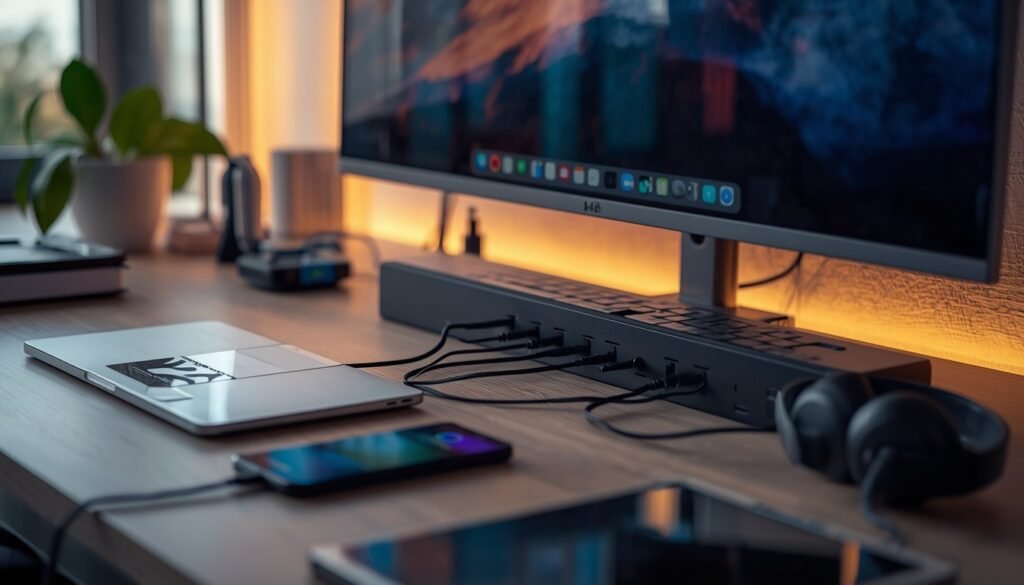
Hybrid work has become one of the defining workplace trends of recent years. Employees often alternate between home offices and traditional office spaces throughout the week.
This flexibility requires portable solutions that can adapt to different environments quickly. A compact adapter allows users to connect their devices to virtually any display without requiring complicated setup procedures.
Whether presenting quarterly reports in a conference room or joining a remote meeting from a home office, workers need confidence that their devices will connect smoothly and efficiently.
The ability to instantly extend or mirror displays enhances productivity and supports a more professional work experience.
Enhancing Productivity Through Multiple Displays
Research consistently shows that multiple monitors can improve productivity for many tasks. Professionals often need to manage several applications simultaneously, compare documents, analyze data, or monitor communication channels while working.
A second display creates additional screen space that reduces the need for constant window switching. This allows users to maintain focus and complete tasks more efficiently.
For example, a financial analyst may review spreadsheets on one screen while monitoring market data on another. A designer may keep editing tools on one display and preview content on a second monitor.
The ability to connect external screens easily has transformed the way people interact with digital information.
Visual Communication in the Digital Era
Visual communication has become an essential component of modern business operations. Teams frequently share presentations, dashboards, reports, and creative projects through large displays.
High-resolution displays help improve engagement, comprehension, and collaboration during meetings. Clear visuals enable participants to absorb information more effectively and contribute to discussions more productively.
As organizations continue prioritizing digital communication, display connectivity remains a vital requirement for workplace success.
Why Power Management Has Become a Critical Concern
While connectivity receives significant attention, power management is equally important. Modern workstations often include numerous electronic devices that require continuous power throughout the day.
Laptops, monitors, chargers, speakers, routers, printers, and smart office devices all compete for limited electrical outlets. Managing these devices efficiently is essential for maintaining organized and functional workspaces.
Without adequate power distribution, users face cluttered environments, limited flexibility, and increased frustration.
This challenge has elevated the importance of effective power management solutions.
The Role of the Power Strip in Modern Workspaces
A power strip provides a simple yet highly effective way to expand available power access. By allowing multiple devices to connect through a single wall outlet, it creates a centralized power hub that supports growing technological demands.
Although often overlooked, power strips play an essential role in keeping workspaces organized and operational.
In both home offices and commercial environments, they help accommodate increasing numbers of devices without requiring extensive electrical modifications.
Their practicality makes them one of the most widely used workplace accessories worldwide.
Supporting Device-Heavy Workstations
Today’s professionals frequently use multiple devices simultaneously. A typical workstation may include:
- Laptop computer
- External monitor
- Smartphone charger
- Wireless headset
- Webcam
- Desk lamp
- Network equipment
- Printer
Each device requires power access, creating significant demand for electrical outlets.
Power distribution solutions help users maintain efficient setups while minimizing cable congestion and improving workspace organization.
Improving Workplace Organization
A cluttered workspace can negatively impact productivity and concentration. Tangled cables, overloaded outlets, and scattered chargers create visual distractions that reduce efficiency.
Organized power management contributes to a cleaner and more professional environment. By consolidating device connections into a centralized location, users can maintain better cable management and reduce unnecessary clutter.
An organized workspace supports clearer thinking, better focus, and improved workflow efficiency.
The Growth of Smart Offices
Smart office technology is becoming increasingly common across businesses of all sizes. Connected lighting systems, smart displays, IoT devices, security systems, and automated equipment require reliable access to power.
As organizations invest in workplace automation, demand for flexible power distribution continues to increase.
Modern workplaces are evolving into interconnected ecosystems where virtually every device contributes to productivity and operational efficiency.
Power infrastructure must evolve alongside these technological advancements.
Remote Work and Home Office Expansion
The rapid growth of remote work has transformed residential spaces into professional environments. Many individuals now maintain dedicated home offices equipped with technology comparable to traditional workplaces.
This shift has increased demand for both connectivity and power solutions.
Home office users need reliable ways to connect external displays, charge devices, and manage growing collections of electronic equipment. Practical accessories help create productive environments without requiring expensive renovations or complex installations.
Consumer Psychology Behind Productivity Tools
People naturally seek tools that simplify daily tasks and eliminate friction from their routines. Productivity-enhancing accessories gain popularity because they solve real problems efficiently.
Users appreciate solutions that save time, reduce technical difficulties, and improve convenience. When technology works seamlessly, individuals can focus on meaningful work rather than troubleshooting equipment.
The popularity of connectivity and power management accessories reflects a broader desire for simplicity in increasingly complex digital environments.
Consumers gravitate toward products that deliver reliability, adaptability, and ease of use.
Technology Trends Driving Continued Demand
Several technology trends are fueling ongoing demand for workplace accessories.
The widespread adoption of USB-C continues to increase the need for display adapters and connectivity tools. As manufacturers standardize around USB-C ports, users require solutions that maintain compatibility with existing displays and equipment.
At the same time, device ownership continues to rise. Many professionals regularly use multiple computers, smartphones, tablets, and accessories throughout the day.
Artificial intelligence, cloud computing, and remote collaboration platforms are also increasing reliance on connected devices.
These trends suggest that both connectivity and power management solutions will remain essential components of digital workspaces for years to come.
Preparing for the Future of Work
The future workplace will likely become even more technology-driven. Flexible work arrangements, virtual collaboration, and digital transformation initiatives are expected to continue shaping how organizations operate.
Professionals will need tools that support mobility, adaptability, and seamless connectivity across various environments.
Simple yet effective accessories often deliver some of the greatest productivity benefits because they address everyday challenges directly.
As workplaces evolve, foundational technologies that enable efficient device interaction will remain highly valuable.
Conclusion
The digital workplace depends on far more than computers and software. Behind every productive workspace are practical tools that ensure devices remain connected, powered, and ready to perform. The usb c to hdmi adapter has become an essential solution for display connectivity, enabling professionals to share information, collaborate effectively, and maximize screen space across a variety of environments.
At the same time, the power strip continues to serve as a critical power management tool that supports increasingly device-heavy workstations. From home offices to corporate environments, it helps maintain organization, flexibility, and operational efficiency while accommodating growing technology demands.
As hybrid work, digital collaboration, and connected technologies continue to reshape the professional landscape, these seemingly simple accessories have become foundational components of modern productivity. Their ability to support seamless workflows ensures they will remain indispensable in the connected workspaces of the future.
Also Read
- Retro Games, Fresh Relevance: Why Classic Titles Still Shape Today’s High-Tech Scene
- Amazon Account Management Service: Streamline Your Online Business
- 10 Times Technology Made Life Easier (and Why a VPN Might Save You Too)
