
For many businesses in the food and beverage sector, international expansion feels like a long and uncertain journey. Companies invest in marketing, build distribution networks, and optimize their products yet global recognition often remains out of reach. However, there are moments where everything changes faster than expected. For some brands, that turning point happens during a china fair.
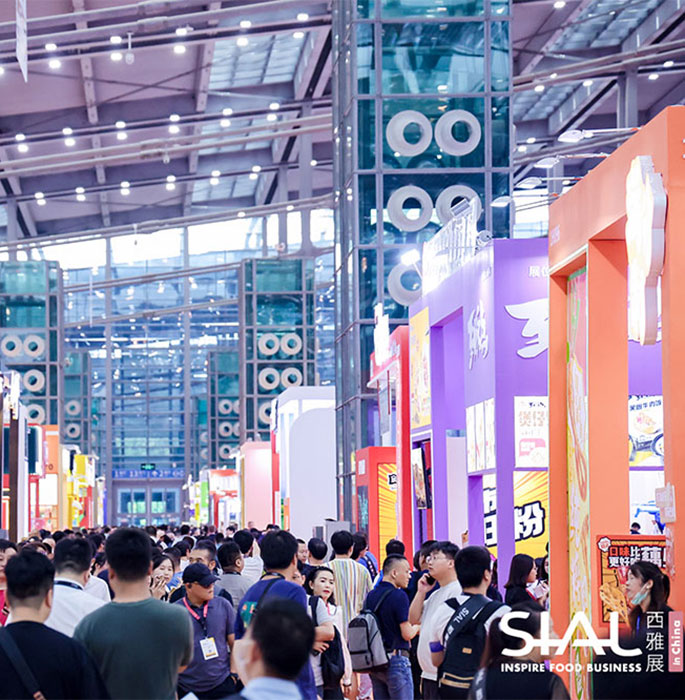
Rather than being just another trade event, it becomes a strategic exposure point where businesses reassess their direction, discover new opportunities, and reshape their global approach. Events like SIAL China often play this role, acting as a catalyst for transformation within the industry.
A Turning Point Hidden in Plain Sight
Imagine a mid-sized food company that has been operating successfully in its local market for years. The product is strong, customer feedback is positive, and domestic sales are stable. Yet international growth remains limited. Traditional outreach methods, emails, distributor negotiations, and online marketing produce slow and inconsistent results. Then the company decides to attend a china trade show. At first, the goal is simple: explore potential buyers and understand market demand. But what happens during the event goes far beyond expectations.
Immediate Exposure to Global Buyers
One of the most impactful experiences at a china fair is direct exposure to a wide range of buyers in a short period of time. Instead of spending months searching for contacts, companies meet:
- Importers from multiple countries
- Regional distributors
- Retail chain representatives
- Foodservice operators
- Sourcing agents
These conversations provide instant feedback on product appeal, pricing expectations, and market readiness. For many companies, this is the first time they see how their product performs on a truly international stage.
Real-Time Market Validation
One of the most valuable outcomes of attending a china trade show is market validation. A product that performs well locally may not always align with global demand. Conversely, a product that seems niche at home may generate strong interest internationally. During exhibition interactions, companies often discover:
- Which product variations attract attention
- Which packaging styles feel competitive
- Which pricing ranges are acceptable
- Which markets show the highest interest
This real-time feedback helps businesses refine their global strategy with far greater accuracy.
Discovering Opportunities That Were Not Actively Sought
A surprising pattern in many China fair experiences is that the most valuable opportunities are often unexpected. A company may attend looking for buyers but end up finding:
- A packaging supplier that reduces production costs
- A logistics partner for international shipping
- A distributor in a previously unconsidered market
- A private-label collaboration opportunity
These indirect outcomes often become more impactful than the original goal of the visit.
Competitive Awareness Changes Strategy
Another major shift happens when companies observe competitors directly. At a china trade show, businesses are not just presenting, they are also analyzing. By observing other exhibitors, companies can quickly understand:
- How competitors position their products
- What innovations are being introduced
- How packaging trends are evolving
- What pricing strategies are emerging
This competitive visibility often leads companies to rethink their own positioning. In some cases, businesses leave the event with a completely revised strategy.
Building Relationships That Scale Over Time
One of the most underestimated aspects of a china fair is relationship development. Not every connection results in immediate business. In fact, most do not. However, many successful long-term partnerships begin with simple conversations at exhibitions. Over time, these relationships evolve into:
- Distribution agreements
- Regional partnerships
- Supply chain collaborations
- Exclusive product launches
The key advantage is trust built through direct interaction, which often carries more weight than digital communication.
Strategic Repositioning After the Event
What happens after a china trade show is often where the real transformation begins. Companies return with:
- Better understanding of global demand
- Refined product positioning
- Improved pricing strategies
- Clearer target markets
- Stronger distribution leads
In many cases, businesses adjust their entire international strategy based on insights gained during a single event. This is why exhibitions are often seen not as marketing activities, but as strategic decision-making environments.
SIAL China as a Catalyst Environment
Among global exhibitions, SIAL China stands out as a high-impact environment where these transformations frequently occur. The diversity of participants creates a unique ecosystem where:
- Trends emerge early
- Buyer expectations are clearly expressed
- Global competition is visible
- Innovation is continuously showcased
For many companies, attending this china fair is not just participation, it becomes a strategic checkpoint for evaluating global readiness.
Conclusion
A china fair is often underestimated by businesses that have never experienced it firsthand. While it may appear to be a traditional trade event, its impact is far more strategic in nature. A well-structured china trade show can reshape business direction, validate products, reveal new opportunities, and build relationships that support long-term international growth. Events like SIAL China continue to influence global food industry strategies because they provide something that cannot be easily replicated elsewhere: direct access to markets, competitors, and decision-makers in a single environment. For many businesses, a single visit is not just participation, it becomes a turning point in their global journey.
FAQs
What is a china fair in the food industry?
A china fair is an international exhibition where food and beverage companies connect with buyers, distributors, and industry professionals to explore business opportunities.
How can a china trade show change a business strategy?
It provides real-time market feedback, competitor insights, and buyer interactions that help companies refine their global direction.
Is SIAL China suitable for small businesses?
Yes, small and mid-sized businesses often gain significant exposure, partnerships, and market insights from participating.
What makes exhibitions more effective than online marketing?
Exhibitions offer face-to-face interaction, direct product evaluation, and immediate feedback that digital channels cannot fully replicate.
Do businesses see immediate results from attending?
Some do, but most benefits develop over time through relationships, follow-ups, and long-term partnerships.
Also Read-Retro Games, Fresh Relevance: Why Classic Titles Still Shape Today’s High-Tech Scene
