
When people think about creating a better home, they often assume that spending more money automatically leads to greater comfort. Luxury furniture, designer décor, and premium finishes certainly have their appeal, but they don’t always determine how a space feels to live in every day. In reality, many of the most inviting homes prioritize comfort, functionality, and personal preferences over expensive upgrades.
Whether it’s a living room, bedroom, or home office, the spaces we enjoy most are usually the ones that help us relax, focus, or spend meaningful time with family and friends. Comfort is often the result of thoughtful choices rather than large budgets.
Comfort Is Created Through Everyday Experiences
A comfortable space supports daily routines instead of simply looking impressive. Good lighting, practical furniture, pleasant temperatures, and organized layouts all contribute to how enjoyable a room feels over time.
Maintaining those pleasant temperatures doesn’t have to come with a high price tag either — comparing rates from providers like frontier electric can make year-round comfort more affordable without any renovation at all.
People naturally gravitate toward environments that reduce stress and make everyday activities easier. A favorite reading chair, soft blankets, calming colors, or a quiet corner can have a much greater impact on well-being than expensive decorative pieces that rarely get used.
The best living spaces are often those that reflect the needs of the people who use them rather than current design trends.
Small Wellness Choices Can Improve the Atmosphere
Creating a comfortable home often involves more than choosing furniture. Many people also think about habits that help them unwind after a busy day, especially during the evening when they’re trying to transition from work to rest.
A comfortable home isn’t defined only by furniture or décor. The routines people follow once they settle in for the evening also contribute to how relaxing a space feels. For adults who choose to include hemp-derived CBD products in those routines where they are legally available, Medterra CBD gummies are among the options they may compare alongside other products before deciding which formulation, flavor, or serving size best matches their personal preferences.
Comfort is often the result of combining a relaxing environment with routines that help people slow down and recharge.
Functionality Often Outweighs Luxury
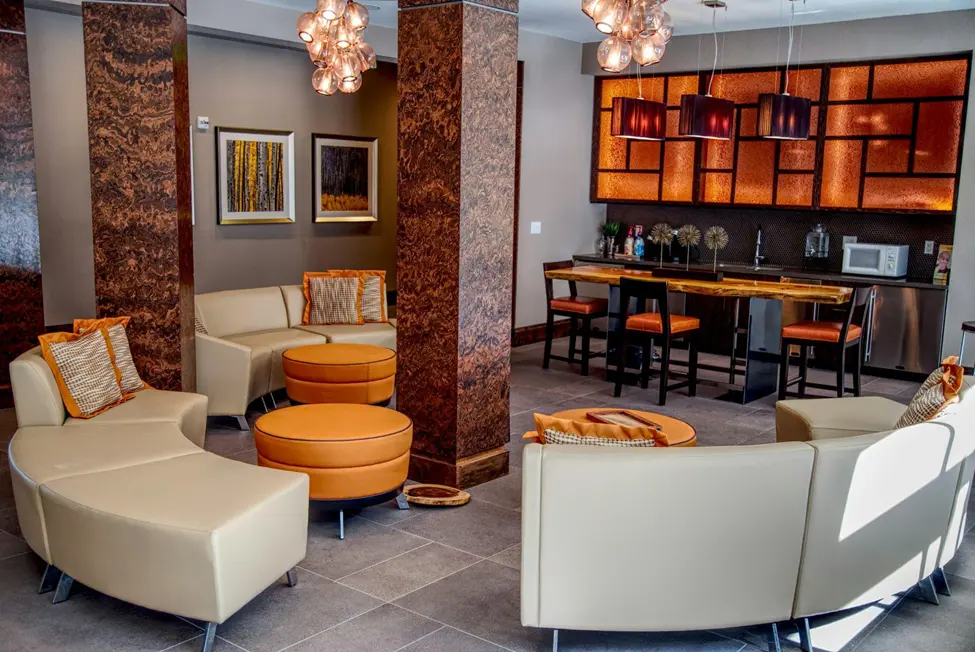
Expensive furniture doesn’t necessarily improve daily life if it isn’t practical. A beautifully designed chair that feels uncomfortable will likely be used less than a simpler one that offers proper support.
The same principle applies throughout the home. Well-planned storage, easy-to-clean materials, and furniture that suits the available space often provide greater long-term satisfaction than premium products chosen primarily for appearance.
Functionality also makes spaces more flexible. Rooms that can easily adapt to work, relaxation, hobbies, or family activities tend to remain useful as lifestyles change.
Personal Style Makes a Home Feel Welcoming
The most memorable homes usually reflect the personalities of the people who live there. Family photographs, meaningful artwork, favorite books, travel souvenirs, and handmade decorations often create stronger emotional connections than expensive designer accessories.
Personal touches help transform a house into a place that feels familiar and welcoming. Guests frequently remember how comfortable and inviting a home felt rather than how much the furniture cost.
This sense of authenticity also makes it easier for homeowners to enjoy their spaces without feeling pressured to constantly follow changing design trends.
Comfort Supports Long-Term Well-Being
The environments we spend time in influence mood, productivity, and overall quality of life. Comfortable spaces encourage relaxation after stressful days, improve focus while working, and create better opportunities to spend time with loved ones.
Rather than chasing luxury for its own sake, many people benefit more from investing in improvements that make everyday life easier and more enjoyable. Better lighting, supportive seating, thoughtful organization, and calming routines often deliver greater value than expensive décor alone.
Ultimately, comfortable spaces matter more than expensive ones because they improve how people actually live. A home doesn’t need to be luxurious to feel welcoming, it simply needs to support the people who call it home.
Comfort Comes From Consistency, Not Constant Upgrades
It’s easy to believe that a home always needs another renovation, new piece of furniture, or trendy decoration to feel complete. In reality, comfort usually comes from consistency rather than continual upgrades. Keeping spaces clean, organized, and suited to everyday routines often has a greater impact than frequently replacing perfectly functional items.
Small improvements can also make a noticeable difference over time. Rearranging furniture to improve natural light, adding plants, reducing clutter, or creating dedicated areas for reading, working, or relaxing can make a room feel more inviting without requiring a significant investment. Instead of chasing every new home trend, focusing on changes that genuinely improve daily life helps create a space that remains comfortable long after the excitement of a new purchase has faded.
Also Read-Apartment or Private Home, Which Is Better for Your Health?
